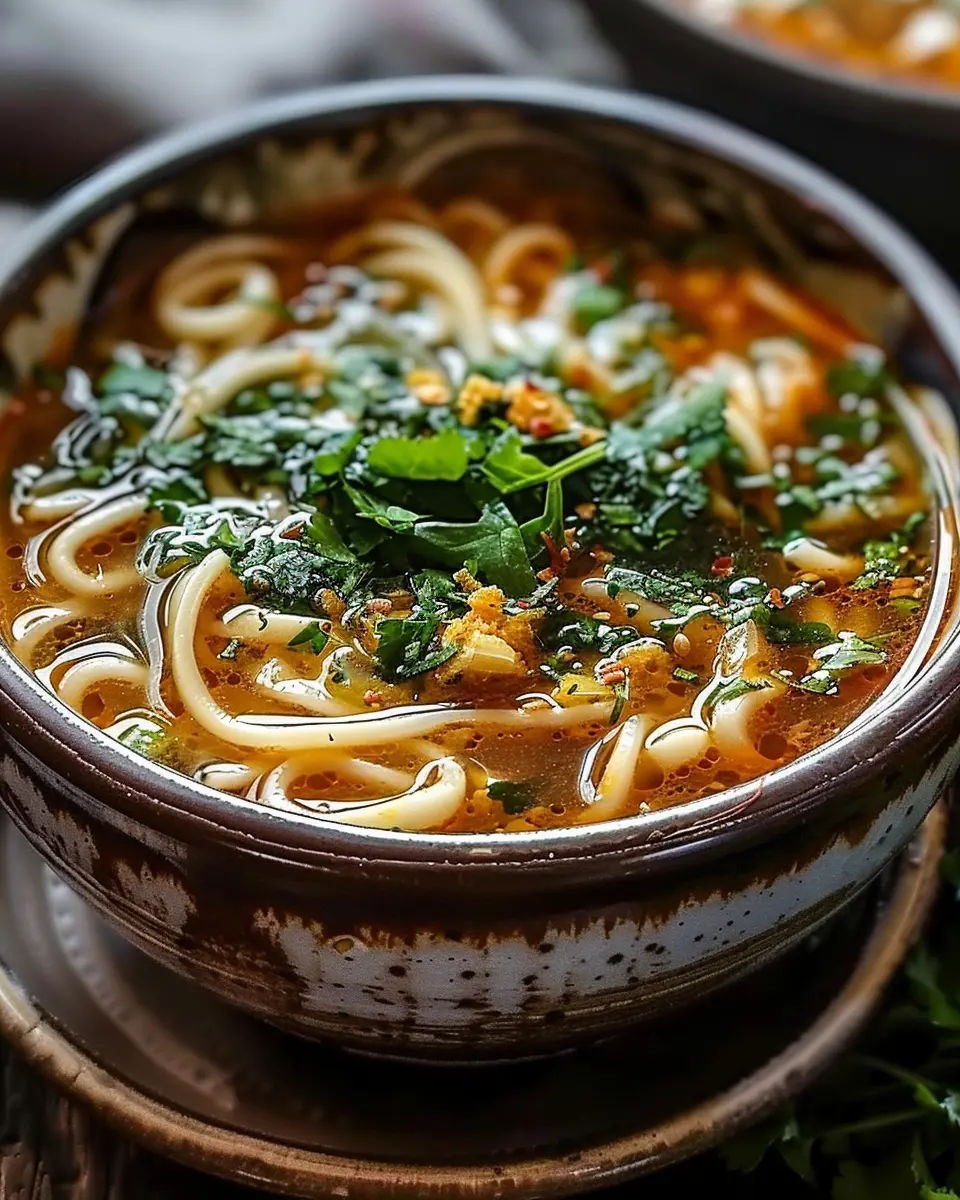
Introduction to Persian Noodle Soup
The cultural significance of Ash Reshteh
Persian noodle soup, known as Ash Reshteh, holds a special place in the hearts and homes of many Iranians. Traditionally served during Nowruz—the Persian New Year—this hearty dish symbolizes the abundance and prosperity of the new year. It embodies a rich tapestry of flavors and ingredients, making it a beloved comfort food that brings families together, especially during gatherings. The soup features a delightful combination of noodles, greens, beans, and an aromatic broth, often topped with fried onions and a dollop of yogurt.
But there’s more to it than just taste! Each ingredient plays a significant role in these cultural celebrations. For instance, the noodles in Ash Reshteh represent the interconnectedness of life, while the legumes symbolize strength and resilience. This dish is so much more than a meal; it tells a story and connects generations. You can delve deeper into the cultural background of Ash Reshteh here.
Why make Persian noodle soup at home?
Making Persian noodle soup at home is not just about enjoying a delicious meal; it’s an opportunity to engage with a rich culinary tradition. Cooking this dish from scratch allows you to customize it to your tastes. Want it a bit spicier? Add more herbs! Prefer a creamier texture? Stir in more yogurt. The beauty of Ash Reshteh is the flexibility it offers, making it perfect for young professionals who appreciate personalized cuisine.
Moreover, crafting this magical soup can be a rewarding experience. Cooking allows you to unwind after a busy day or to find joy while experimenting with ingredients. Plus, it’s a fantastic way to impress your friends! Picture it: you invite them over for a cozy dinner, and, without fail, the aroma of simmering herbs and beans fills the air. Sharing your homemade Ash Reshteh becomes an opportunity to educate them about its significance!
Finally, making Persian noodle soup allows you to embrace wholesome, nutritious ingredients. Packed with vitamins from the greens and protein from the beans, this dish presents a perfect balance of comfort and health. So, gather your ingredients, follow the recipe, and let each bowl tell its story!
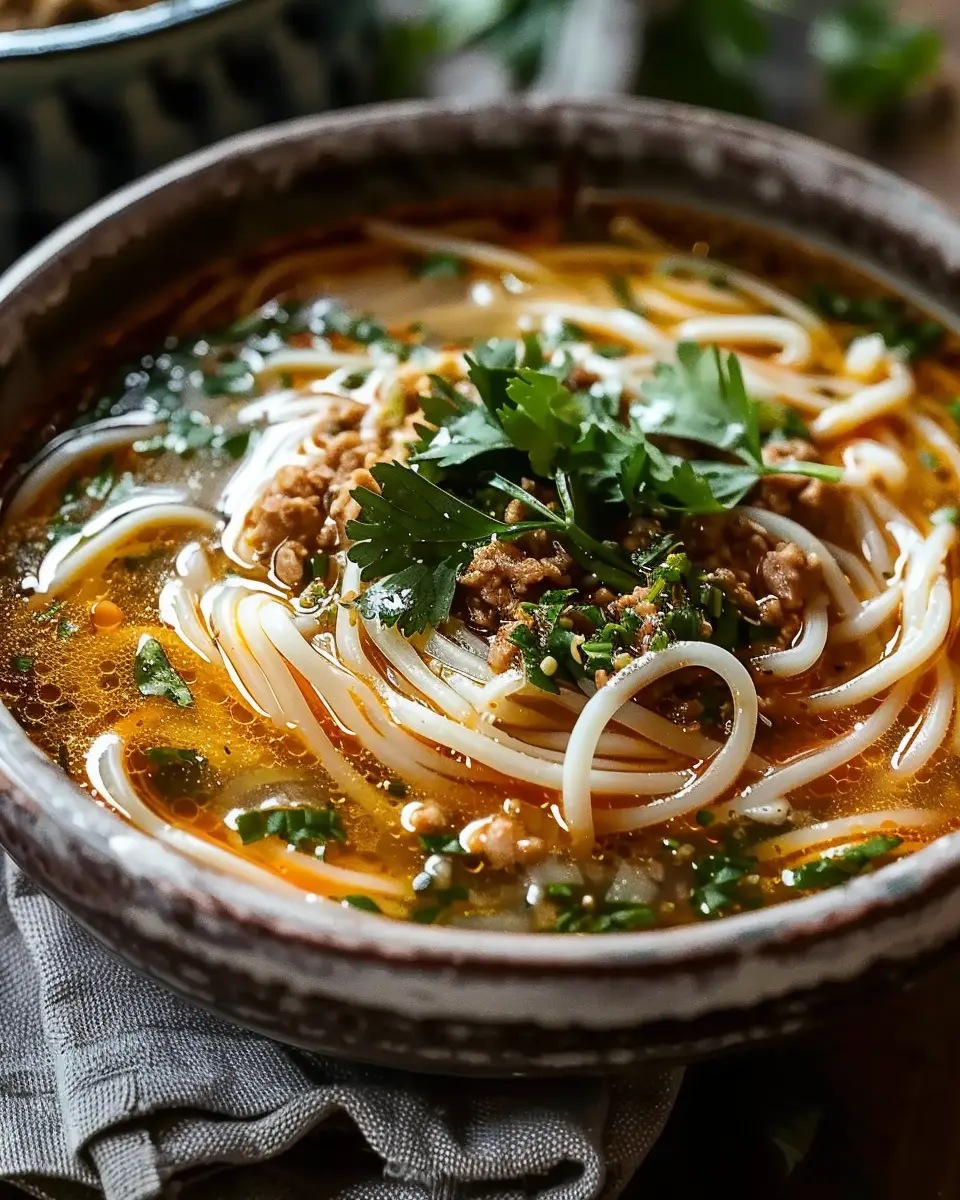
Ingredients for Persian Noodle Soup
Creating a delicious Persian noodle soup at home is both fun and rewarding! Here’s what you’ll need:
Fresh Ingredients
- Noodles: Use thin wheat noodles for the best texture.
- Vegetables: A mix of diced onions, carrots, and bell peppers adds color and flavor. Don’t forget fresh herbs like parsley and cilantro to elevate your dish!
- Broth: A hearty chicken broth works well here. If you’re looking for a vegetarian option, vegetable broth will be just fine.
- Protein: Turkey bacon can introduce a smoky flavor, or opt for chicken ham for a leaner choice.
Spices and Seasonings
- Turmeric: This essential spice gives your soup a warm color and a distinct flavor.
- Salt and Pepper: To taste, of course!
- Cinnamon: A sprinkle adds a unique depth to your Persian noodle soup.
Gathering these ingredients will set you up for a delightful culinary experience, taking your taste buds on a flavorful journey through Persian cuisine! For more tips on selecting quality ingredients, check out resources like The Spruce Eats or BBC Good Food.
Preparing Persian Noodle Soup
Making Persian noodle soup at home is not just about the delicious flavors, but also about the experience of cooking and sharing a comforting meal. As you embark on this culinary journey, you’ll want to make sure each step is executed with care, transforming simple ingredients into a nourishing and delightful dish. Let’s dive into the steps!
Gather and prep your ingredients
Before you even think about turning on the stove, it’s essential to gather and prep your ingredients. This will make your cooking experience smoother and more enjoyable. Here’s what you’ll need:
- Aromatics: Onions, garlic, and fresh herbs such as cilantro and parsley
- Proteins: Shredded turkey bacon or chicken ham for that rich, savory depth
- Vegetables: Carrots, kale, or spinach
- Noodles: Traditional Persian noodles or any flat noodles you prefer
- Broth: Homemade or store-bought vegetable or chicken broth
- Spices: Turmeric, black pepper, and salt for seasoning
Take the time to chop your vegetables and measure your ingredients before you start cooking. It may seem tedious, but trust me, a little preparation goes a long way in ensuring a smooth cooking process.
Sauté the aromatics
Start by heating a large pot over medium heat and adding a splash of olive oil. Once it’s shimmering, toss in the chopped onions. There’s something magical about the smell of onions sautéing, isn’t there? After about 5 minutes, when they’ve softened and begun to turn translucent, add minced garlic. Sauté until fragrant, about 1-2 minutes (be careful not to burn it!).
Here, you’ll also want to add your shredded turkey bacon or chicken ham. Cook until it’s slightly crispy, which will add a wonderful texture and flavor to your Persian noodle soup.
Build the soup base
Now it’s time to create a flavorful base for your soup. Pour in your broth and add the chopped carrots and any leafy greens you’ve chosen. For that authentic Persian flair, a pinch of turmeric adds a lovely golden hue and a gentle warmth. Don’t forget to season with salt and black pepper according to your taste.
Bring the mixture to a gentle boil, then reduce the heat and let it simmer for about 10-15 minutes. This allows the flavors to meld beautifully. For additional depth, consider adding a splash of lemon juice or a dash of sumac—both popular in Persian cuisine.
Add noodles and cook until tender
Once your soup base is fragrant and bubbling, it’s time to introduce the star of the show: the noodles. Add them to the pot and stir well to ensure they are evenly distributed. The cooking time will vary depending on the type of noodles, so be sure to check the package instructions. You want them to be tender yet al dente.
While the noodles are cooking, resist the urge to rush! This step is crucial. Letting them simmer in the broth will allow them to absorb all that rich flavor.
Fold in the fresh herbs
At last, the finishing touch! Once the noodles are cooked to perfection, remove the pot from heat and fold in a generous amount of freshly chopped cilantro and parsley. These herbs not only add brightness and freshness but also elevate your Persian noodle soup to new heights.
To serve, ladle your soup into bowls and top it with a sprinkle of extra herbs and a few lemon wedges. You can also add a dollop of plain yogurt or a drizzle of olive oil for added richness. Enjoy your warm and hearty creation prepared with love and diligence!
For more recipes and cooking tips, check out Food52 and Serious Eats, where you can find a treasure trove of ideas to inspire your culinary adventures!
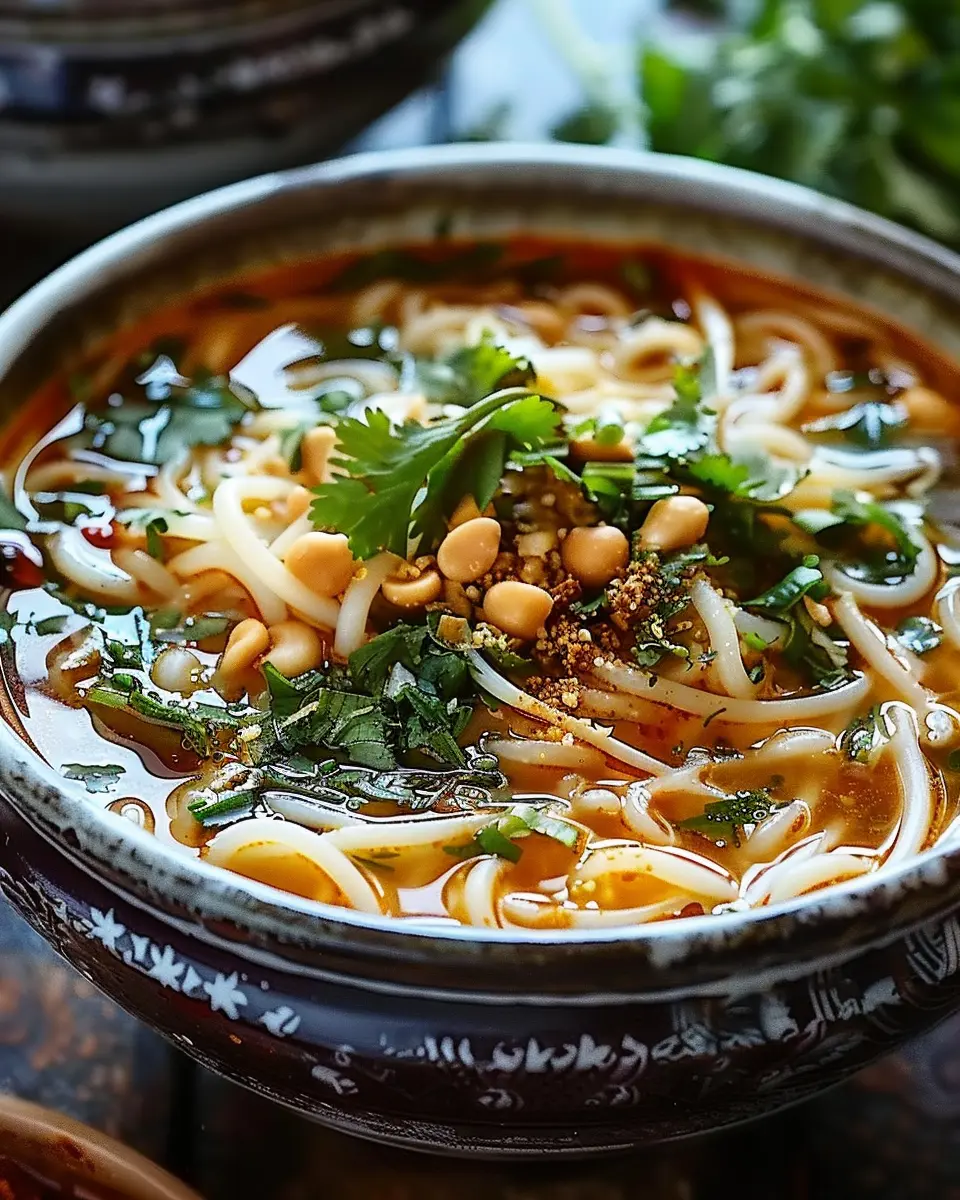
Variations on Persian Noodle Soup
Vegetarian or Vegan Options
Persian Noodle Soup is a dish that beautifully adapts to various dietary preferences, and making a vegetarian or vegan version is surprisingly simple! Start by substituting the traditional chicken or beef broth with vegetable stock. You can enhance the flavor profile by incorporating herbs like dill and mint or even a splash of pomegranate juice for that quintessential tangy-sweet touch.
For the noodles, opt for egg-free varieties to ensure a completely plant-based dish. Load up on vegetables such as carrots, zucchini, and mushrooms for added nutrition and earthiness. Think about gibing lentils or chickpeas a go for that protein boost. They not only complement the soup beautifully but also pack a punch in terms of fiber and nutrients.
Adding Proteins: Chicken or Beef Alternatives
If you’re looking to add proteins to your Persian Noodle Soup without going the traditional route, consider using chicken alternatives like rotisserie-free chicken options or even turkey ham—it adds a unique twist and pairs wonderfully with the aromatic spices. For beef lovers, a flavorful sauté of ground turkey or a shredded chicken ham can provide that satisfying heartiness.
Don’t shy away from experimenting with new flavors! Incorporating shredded tofu or tempeh brings a terrific texture and protein content, making your soup not just filling but also a wholesome meal. So whether you’re aiming for a vegan delight or a protein-rich version, the options are virtually endless.
Feel free to explore these resources for more inspiration on adapting classic recipes to fit modern diets!
Cooking tips and notes for Persian Noodle Soup
Best practices for using dried vs. canned beans
When making your Persian noodle soup, you may wonder whether to use dried or canned beans. Dried beans offer a richer flavor and firmer texture when cooked properly. Soaking them overnight hydrates them, which minimizes cooking time. You’ll benefit from a heartier bite, enhancing your soup’s overall experience. If you’re short on time, though, canned beans are a convenient alternative. Just rinse thoroughly to remove excess sodium, ensuring they blend perfectly into your soup.
How to enhance flavor with spices
Spices are key in elevating the flavor profile of your Persian noodle soup. Traditional spices like turmeric and cinnamon add warmth and depth. Don’t hesitate to experiment! Adding a pinch of saffron, though more expensive, can bring a subtle floral note that elevates your dish. Consider garnishing with fresh herbs like parsley or mint, which not only enhance the flavor but also add a vibrant splash of color.
For more on spices, check out this guide to Persian spices! Elevating your cooking repertoire has never been so delicious!
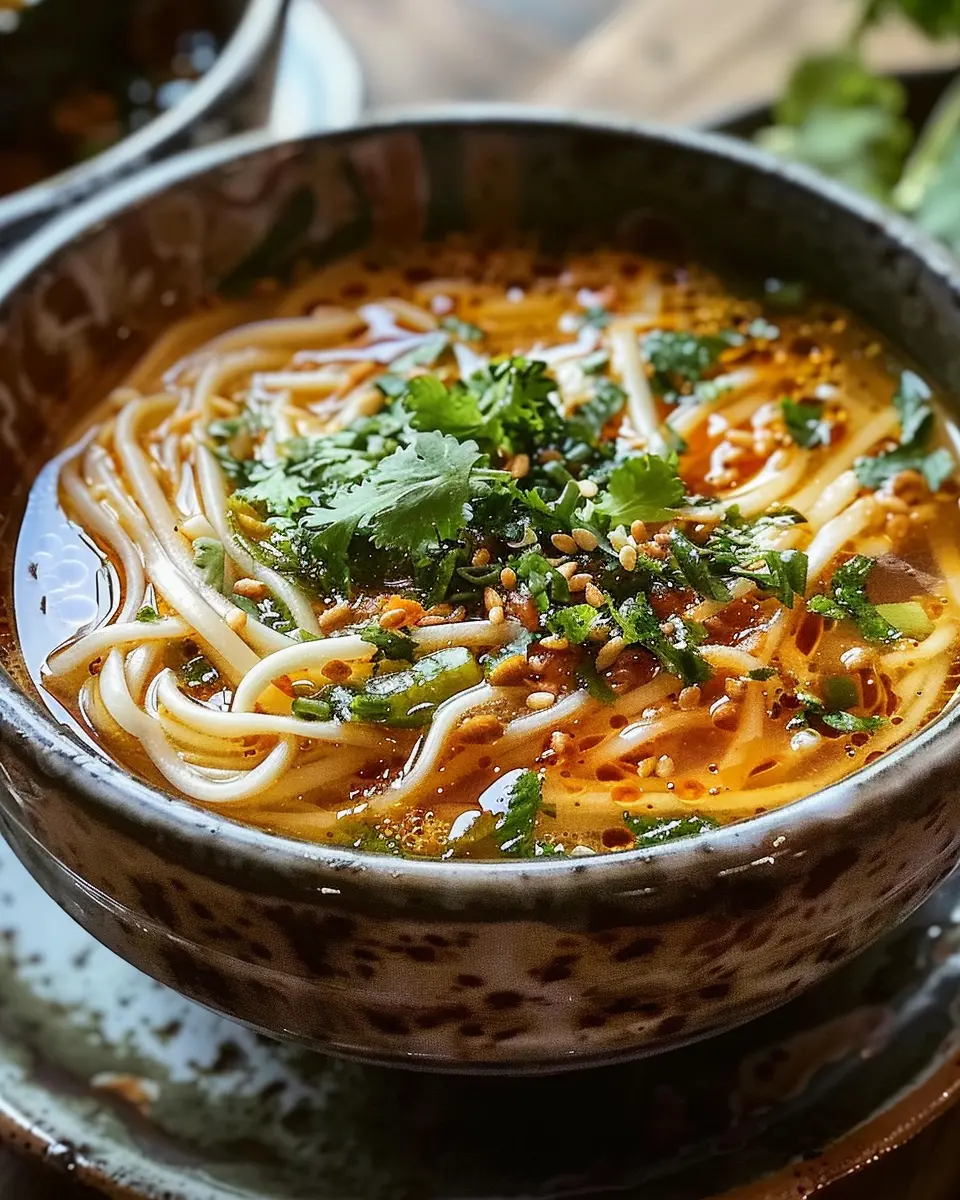
Serving suggestions for Persian Noodle Soup
Perfect accompaniments to Ash Reshteh
When indulging in a warm bowl of Persian noodle soup, consider pairing it with some delightful accompaniments. Fresh herbs like cilantro or mint add a bright contrast to the rich flavors. You can also serve warm flatbread, like lavash, perfect for dipping. For those looking to elevate their meal, a side of turkey bacon or chicken ham brings a delightful twist. A dollop of tangy yogurt or a sprinkle of feta cheese can really elevate the taste.
Feeling adventurous? Try serving Ash Reshteh with a refreshing cucumber and tomato salad, drizzled with lemon juice and olive oil. It’s a great way to balance the meal!
Presentation tips for a hearty bowl
To make your Persian noodle soup truly shine, focus on presentation. Use deep, wide bowls to display the vibrant colors of the soup. Top each serving with a flourish of fresh herbs, a swirl of yogurt, and a sprinkle of crispy onions. If you have some, a pinch of saffron threads gives an elegant touch and depth of flavor.
Arrange a colorful spread of sides on the table; this invites guests to customize their bowls just the way they like. Remember, a beautifully presented dish not only enhances the dining experience but also sets the mood for great conversations. For more tips on Persian cuisine, check out Persian Cooking. Happy serving!
Time breakdown for Persian Noodle Soup
Preparation time
Getting your ingredients ready for Persian noodle soup typically takes about 15–20 minutes. This is your chance to set the kitchen vibe—chop your vegetables, measure out your spices, and gather everything you need for a seamless cooking experience.
Cooking time
Once you dive into cooking, expect it to take about 40–50 minutes. This step is where the magic happens! As everything simmers together, let the aromas fill your kitchen. Can you smell that? That’s the joy of homemade soup.
Total time
All in all, you’re looking at around 1 hour to 1 hour and 10 minutes to whip up this delightful dish. Perfect for a cozy night in or impressing friends at a gathering! The best meals take time, and the heartwarming flavors of Persian noodle soup will be well worth it.
For more tips on ingredient preparation, check out this source. Enhance your cooking skills and make Persian noodle soup a staple in your home!
Nutritional facts for Persian Noodle Soup
Calories per serving
When indulging in a warm bowl of Persian noodle soup, you’ll find that it typically contains around 250-300 calories per serving. This makes it a satisfying option without breaking your daily caloric intake.
Breakdown of key nutrients
This flavorful dish offers an impressive mix of nutrients:
- Protein: With ingredients like chicken ham and turkey bacon, you gain a hearty dose of protein, essential for muscle repair and overall health.
- Fiber: Recognized for its nourishing vegetable content, Persian noodle soup provides dietary fiber, promoting digestive health.
- Vitamins and Minerals: Incorporating fresh herbs and spices, this dish is a delightful source of vitamins A and C, plus essential minerals like potassium and magnesium.
By enjoying Persian noodle soup, you’re not just treating your taste buds, but also nourishing your body. Always consider fresh, organic ingredients to elevate the dish’s health benefits. For more on nutrition, explore resources from the American Heart Association.
FAQs about Persian Noodle Soup
Can I make Ash Reshteh in advance?
Absolutely! Preparing Persian Noodle Soup (or Ash Reshteh) in advance is not only possible but often encouraged. The flavors meld beautifully over time, making it even tastier when reheated. Just prepare the soup, let it cool completely, and store it in an airtight container. You can keep it in the fridge for up to three days or freeze it for longer storage.
What types of noodles work best?
When it comes to Persian Noodle Soup, the traditional choice is flat Persian noodles known as Reshteh. However, if you can’t find them, don’t worry! You can easily substitute with any wide noodles like fettuccine or linguine. Just be sure to adjust the cooking time as these noodles will vary. Also, consider adding gluten-free pasta options if you’re catering to dietary needs—your soup will still be delightful!
How do I store leftovers properly?
Storing your delicious Persian Noodle Soup is key to enjoying it later. If you have leftovers, let them cool down to room temperature before transferring them to a suitable container. For short-term, keep it in the refrigerator, but if you’re planning for long-term storage, freezing is your best bet. Just remember to label your containers with dates. When reheating, add a splash of water to revive the consistency of the noodles.
Whether you’re prepping a cozy meal for yourself or planning a gathering with friends, Persian Noodle Soup is a fantastic option! For more tips on storing and preparing similar dishes, you can check out resources like the Food Network for additional insights.
Conclusion on Persian Noodle Soup
Why this soup deserves a spot in your meal rotation
Persian noodle soup is more than just a meal; it’s a warm embrace in a bowl. With its rich flavors and nourishing ingredients, this dish can easily become a staple in your weekly menu. The blend of spices and the satisfying texture of noodles make it a delightful treat for any occasion.
Imagine cozying up with a bowl as the weather turns chilly, or serving it at a gathering to impress your friends with something uniquely comforting. Quick and adaptable, Persian noodle soup invites creativity—swap out ingredients based on what’s in your pantry or your preference.
Dive into making this soul-soothing dish and share the experience with loved ones. For more inspiring soup recipes, check out Bon Appétit for delicious variations!
PrintPersian Noodle Soup: Easy Comfort in Every Bowl
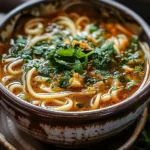
A warm and comforting Persian noodle soup that brings together flavorful ingredients for a satisfying bowl.
- Prep Time: 10 minutes
- Cook Time: 20 minutes
- Total Time: 30 minutes
- Yield: 4 servings 1x
- Category: Soup
- Method: Simmering
- Cuisine: Persian
- Diet: Vegetarian
Ingredients
- 1 tablespoon olive oil
- 1 large onion, chopped
- 2 cloves garlic, minced
- 1 teaspoon ground turmeric
- 6 cups vegetable broth
- 1 cup fresh parsley, chopped
- 1 cup fresh cilantro, chopped
- 1 teaspoon salt
- 1/2 teaspoon black pepper
- 4 ounces noodles of your choice
- 1 cup cooked chickpeas
Instructions
- Heat olive oil in a large pot over medium heat.
- Add onion and garlic, sauté until translucent.
- Stir in turmeric and cook for another minute.
- Add vegetable broth and bring to a boil.
- Reduce heat, add parsley, cilantro, salt, and pepper, simmer for 10 minutes.
- Add noodles and chickpeas, cook until noodles are tender.
- Serve hot and enjoy!
Notes
- Feel free to add any other vegetables you have on hand.
- For a heartier soup, add more noodles or beans.
Nutrition
- Serving Size: 1 bowl
- Calories: 250
- Sugar: 2g
- Sodium: 400mg
- Fat: 8g
- Saturated Fat: 1g
- Unsaturated Fat: 5g
- Trans Fat: 0g
- Carbohydrates: 35g
- Fiber: 8g
- Protein: 10g
- Cholesterol: 0mg
Keywords: Persian, Noodle, Soup, Comfort Food