Introduction to Easy Miso Soup
What is Miso Soup and Why is it Popular?
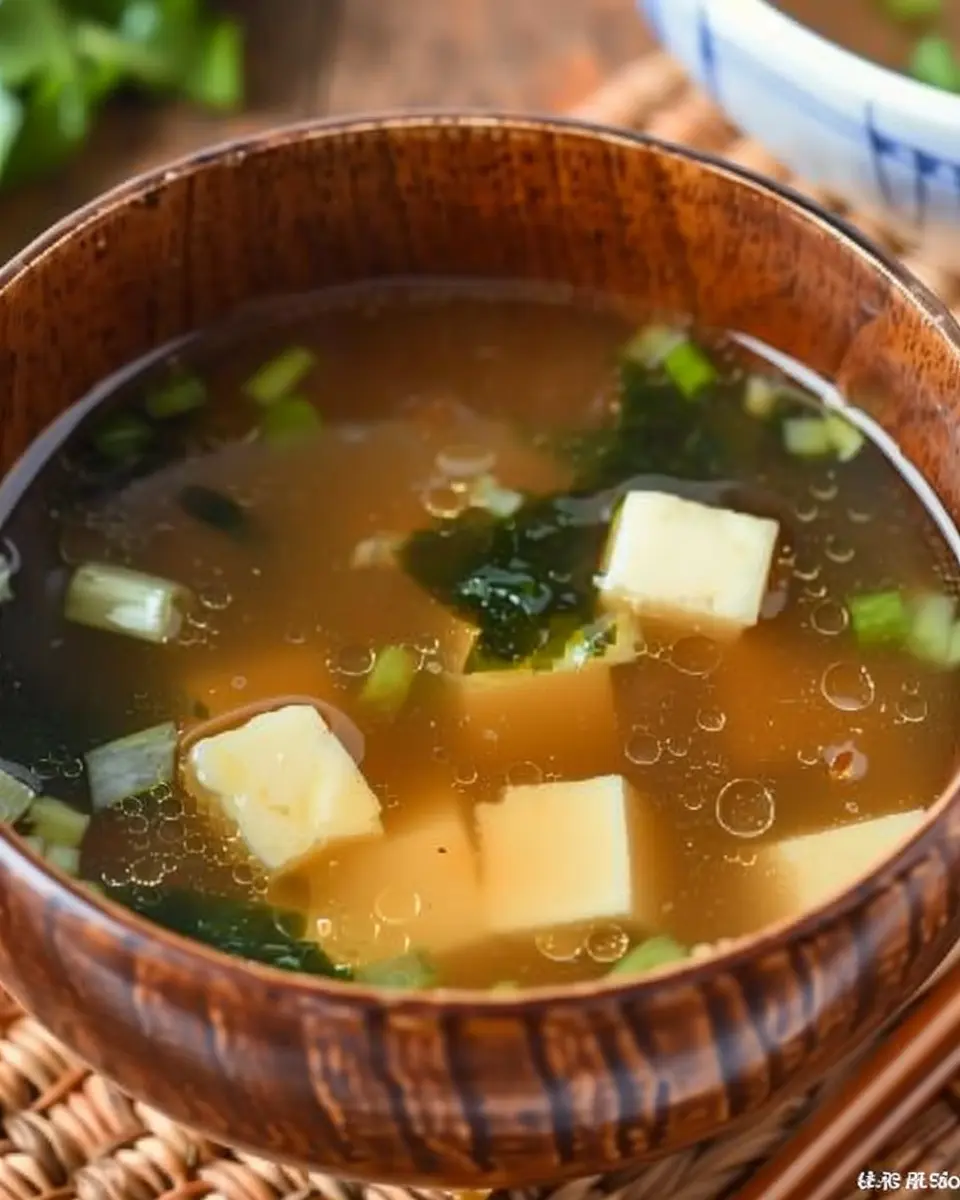
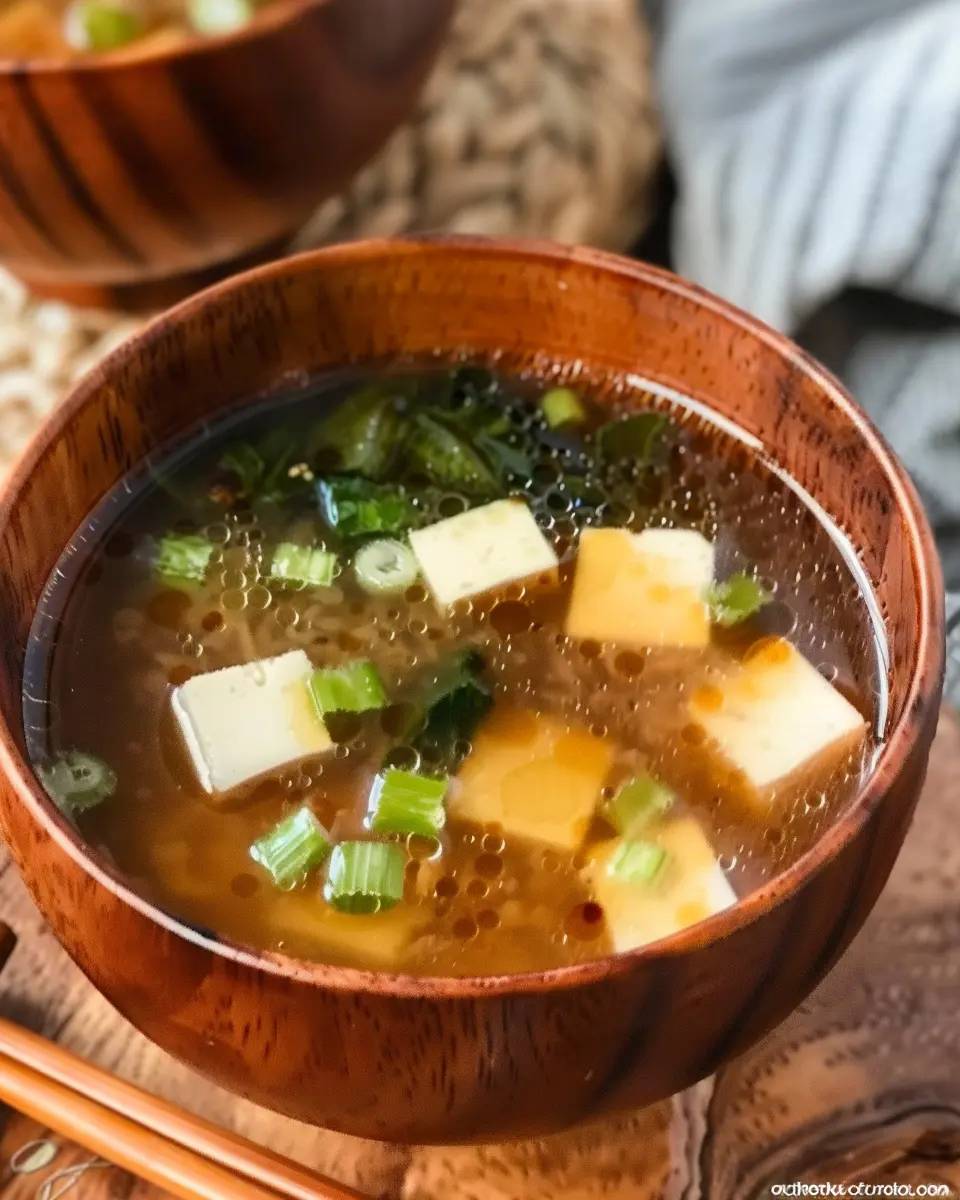
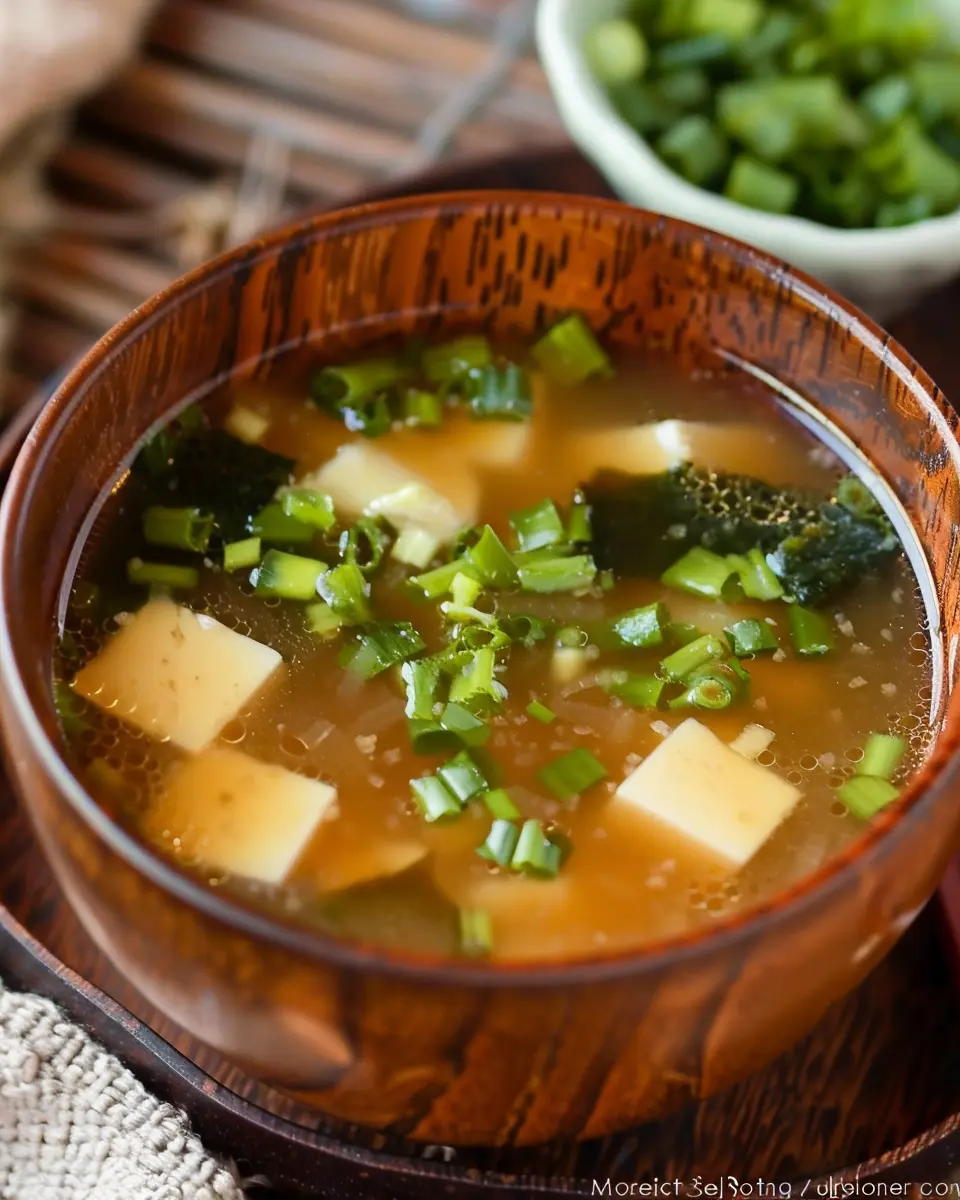
Easy miso soup is a traditional Japanese dish that’s as comforting as it is nutritious. At its core, miso soup is a savory broth made from miso paste, a fermented soybean product packed with probiotics. The rich umami flavor is enhanced by ingredients like seaweed, tofu, and green onions, making it a versatile and satisfying option.
Its popularity isn’t just due to its delicious taste, though! Miso soup is often enjoyed as a starter in Japanese meals, but it’s also becoming a staple in many modern kitchens worldwide. It’s quick and simple to prepare, making it perfect for busy young professionals seeking a nutritious meal. With an ever-growing number of studies highlighting the health benefits of fermented foods, more people are discovering the joys of miso soup.
Benefits of Making Homemade Miso Soup
Making your very own easy miso soup comes with a host of benefits. Here are a few reasons why you might want to whip up a batch in your kitchen:
-
Fresh Ingredients: When you make miso soup at home, you have full control over the ingredients. Opt for organic vegetables, high-quality miso, and fresh tofu to really elevate your dish.
-
Tailored to Your Taste: Store-bought versions can often be loaded with preservatives and sodium. By making your soup, you can adjust the flavor to your liking—add a little extra garlic or make it spicier with some chili flakes!
-
Health Benefits: Miso is rich in vitamins, minerals, and beneficial bacteria that can enhance gut health. According to the American Journal of Clinical Nutrition, fermented foods can play a significant role in improving digestion and boosting immunity.
-
Quick and Easy: If you’re short on time, miso soup is a winner. It can often be prepared in under 15 minutes! Imagine coming home after a long day and whipping up a warm bowl of goodness in no time.
If you’re intrigued, check out more about the health benefits of fermented foods here.
In the next sections, we’ll guide you through a straightforward recipe for easy miso soup that you can personalize and enjoy any day of the week. Stay tuned for tips and tricks that ensure your soup turns out just right!
Ingredients for Easy Miso Soup
Essential Ingredients for Miso Soup
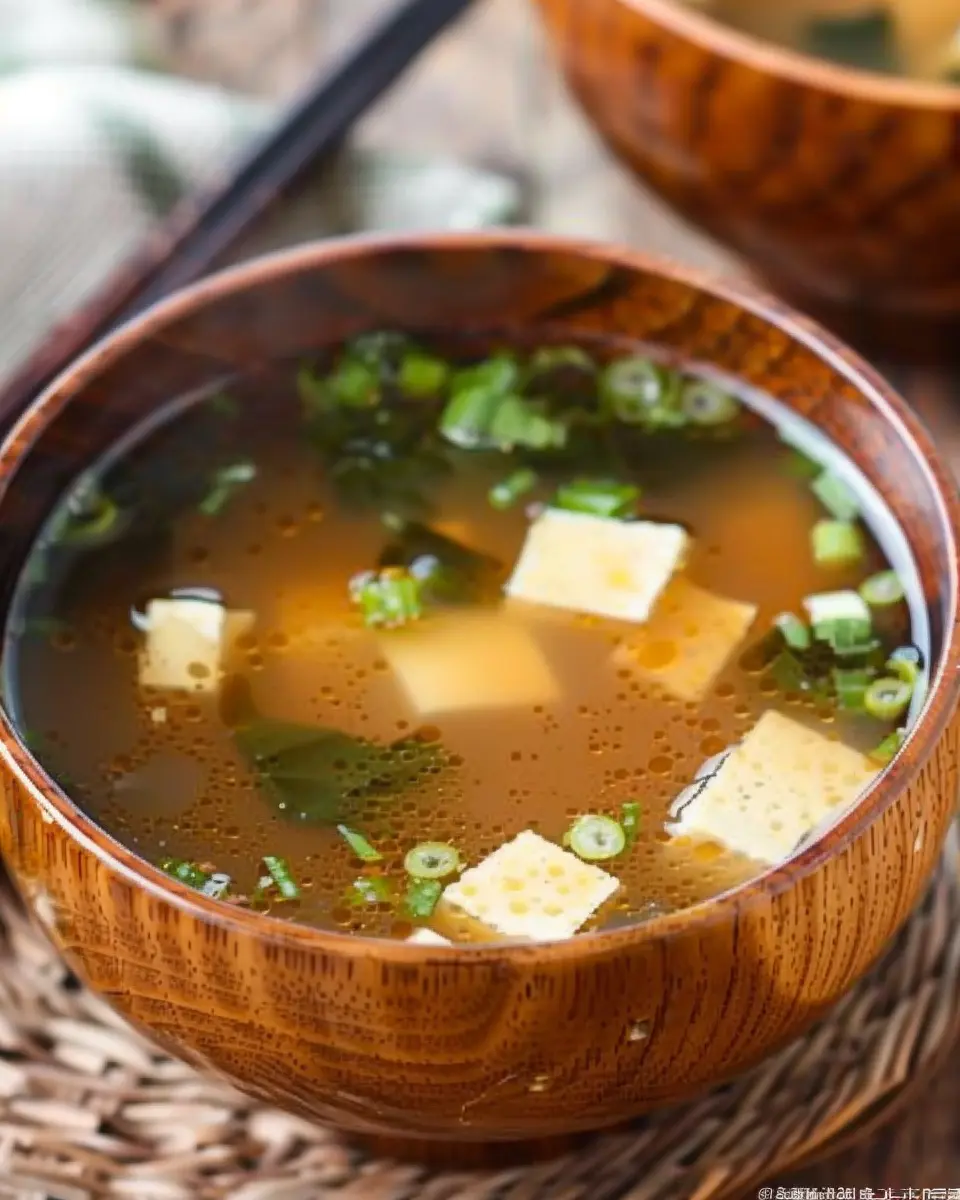
Creating easy miso soup at home is remarkably simple, with just a few essential ingredients needed to achieve that delightful umami flavor. Here’s what you’ll need:
- Miso Paste: The star ingredient! Opt for organic varieties if you can, as they often have richer flavors.
- Dashi Stock: This Japanese soup stock can be made from kombu (dried kelp) or bonito flakes, or you can find instant dashi for convenience.
- Tofu: Soft or firm, diced into small cubes. Tofu is versatile and absorbs the flavors beautifully.
- Green Onions: Sliced thinly, they add freshness and a pop of color.
For a guide on how to make dashi from scratch, check out the Japanese Cooking 101 website!
Optional Add-ins for Extra Flavor
While the basics are fantastic on their own, consider elevating your easy miso soup with some optional ingredients:
- Seaweed: Wakame is a popular addition—just soak it in water before adding.
- Mushrooms: Shiitake or enoki mushrooms can add earthy notes and texture.
- Protein Sources: Try adding Turkey Bacon or Chicken Ham for a savory twist.
- Vegetables: Spinach, bok choy, or carrots make great additions for a nutritious boost.
With these ingredients, you can prepare a bowl of easy miso soup that warms not just your stomach but your soul too! Who knew something so simple could bring so much comfort?
Preparing Easy Miso Soup
Creating easy miso soup at home is not only fulfilling but also a delightful way to enjoy a warm, comforting bowl of goodness. With just a few simple steps and ingredients, you can prepare a nourishing meal that is both delicious and satisfying.
Gather Your Ingredients
Before you begin cooking, take a moment to set up your workspace. Here’s what you’ll need:
- Dashi or vegetable broth (4 cups): This will be the flavorful base of your soup.
- Miso paste (2-3 tablespoons): White or red—your choice, but white is milder and great for beginners.
- Wakame seaweed (1 tablespoon): Dried and cut into small pieces, this adds a unique texture.
- Firm tofu (1 block): Cut into small cubes for protein and creaminess.
- Green onions (2-3): Sliced thinly for garnish.
- Optional: You might like to throw in some sliced mushrooms or baby spinach for added flavor and nutrients.
These ingredients are typically easy to find at your local grocery store, and you can even check out Asian markets for specialty items, especially the miso paste and wakame.
Boil the Water and Enhance the Broth
Start your soup by bringing your dashi or vegetable broth to a gentle boil in a medium saucepan. This will take just a few minutes.
Once it’s boiling, consider adding flavor enhancers. A splash of soy sauce or a few slices of ginger can elevate the broth significantly. If you’re curious about more complex flavors, this article from Serious Eats offers great tips on customizing your easy miso soup.
Rehydrate the Wakame and Cook the Tofu
While your broth heats up, it’s time to tackle the wakame and tofu.
- Rehydrating wakame: Place the dried wakame in a small bowl and cover it with warm water. Let it sit for about 10 minutes until it expands and softens, then drain and set it aside.
- Cooking the tofu: If you prefer a firmer texture, you can pan-fry the tofu cubes in a bit of sesame oil until golden brown. This adds a wonderful depth of flavor, but if time is short, you can simply add the raw cubes directly to the broth later.
Dissolve the Miso Paste Properly
Now for the magic ingredient: miso paste. However, it’s crucial to add it correctly to maintain its flavor and beneficial probiotics.
In a small bowl, ladle out some of the hot broth and whisk in the miso until it’s smooth. This prevents clumping. Once it’s well-mixed, pour it back into the saucepan with the broth, stirring gently. Remember, miso should never be boiled since high heat can kill the beneficial bacteria. Keeping it at a low simmer is key.
Serve the Soup Hot and Fresh
Your easy miso soup is almost ready! Once all ingredients are combined, stir in the hydrated wakame and tofu, allowing them to heat through for about 2-3 minutes.
Serve your soup hot in bowls and garnish with sliced green onions. This soup is best enjoyed fresh, so don’t wait too long to dig in!
Consider pairing your flavorful bowl of miso with steamed rice or a simple salad for a full meal.
Whether you’re treating yourself after a long day or entertaining friends, this easy miso soup is sure to impress. The warmth of the broth and the umami-packed flavors make it a favorite for any occasion. Enjoy your cooking adventure!
Variations on Easy Miso Soup
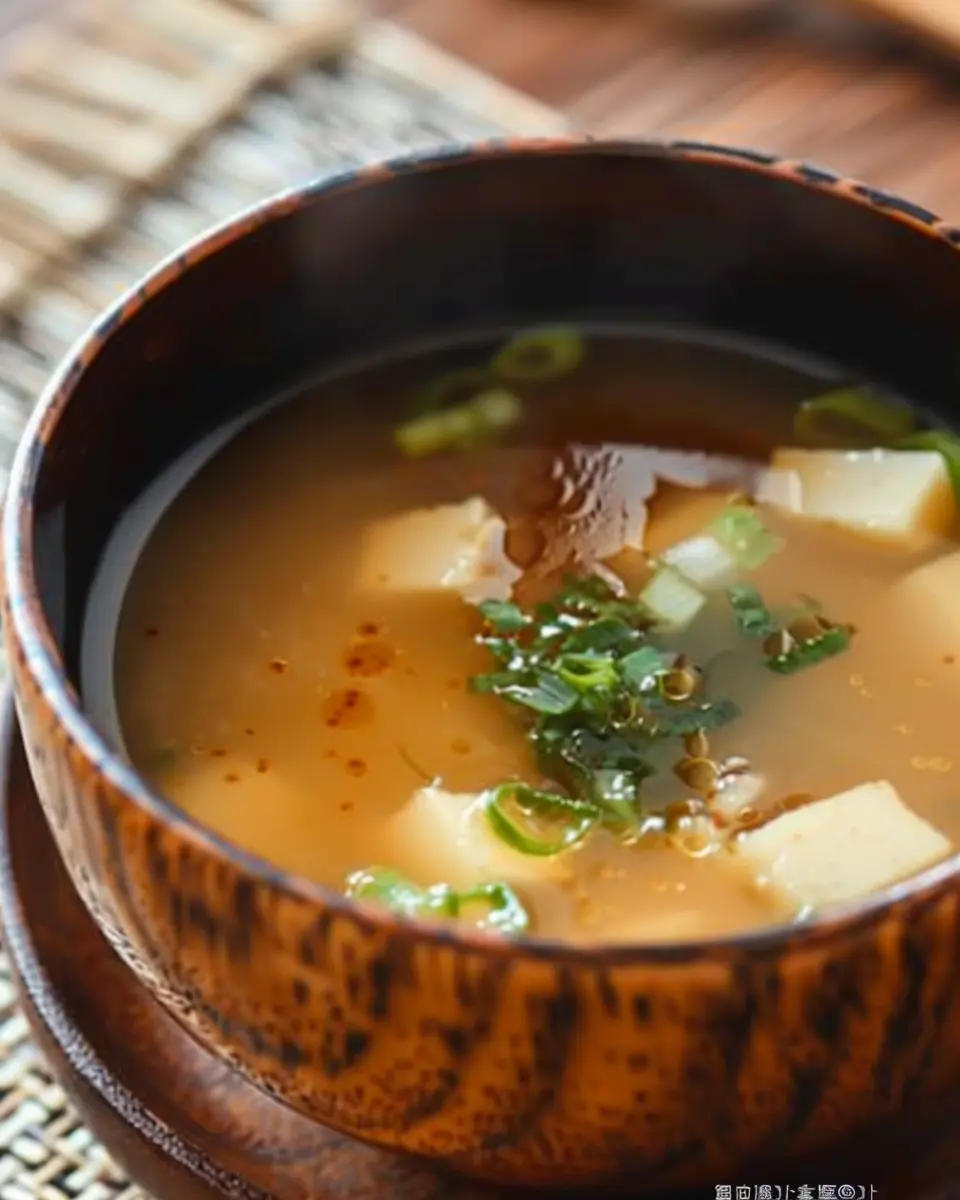
Miso soup is a versatile dish, and there are countless ways you can adjust the basic recipe to suit your taste or dietary preferences. Let’s explore some variations that will elevate your easy miso soup experience!
Vegan Miso Soup Alternatives
Looking for a vegan-friendly option? No problem! Simply swap the traditional dashi (fish stock) with a vegetable-based broth. You can also enhance the flavor profile by adding dried shiitake mushrooms or seaweed, both of which are available at your local grocery store or health food market. A sprinkle of sesame oil right before serving can give your soup an incredible depth without the need for animal products.
Miso Soup with Added Vegetables
Why not transform your easy miso soup into a vibrant vegetable medley? Try incorporating seasonal veggies like spinach, kale, or carrots. You can also add tofu for extra protein and texture! Just ensure you cut the vegetables into bite-sized pieces for even cooking. For a refreshing twist, toss in some sliced green onions and mushrooms. This not only enhances the nutritional value but also adds color and freshness to your meal.
Spicy Miso Soup Variation
If you crave a little heat, a spicy miso soup variation may be just what you need. Adding a spoonful of chili paste or flakes can create that tantalizing kick that livens up the savory miso flavors. For an extra layer of spice, consider mixing in some sliced jalapeños or even sriracha. Serve it hot for the perfect cozy dinner after a long day—trust me, it’ll warm you from the inside out!
With these easy variations, your miso soup will never get boring! Check out this article for more tips on customizing your soup for maximum flavor!
Cooking Tips and Notes for Easy Miso Soup
Best Practices for Miso Paste Usage
When making easy miso soup, choosing the right miso paste is key! There are three main types: white, yellow, and red. White miso has a milder flavor and is fantastic for light soups, while red miso brings a deeper umami taste. Remember to whisk the paste into warm (not boiling) water to preserve its beneficial probiotics. A great resource for understanding miso is this guide on Miso Types from Serious Eats.
Cooking Tofu: Tips on Texture and Firmness
Tofu can elevate your easy miso soup, but texture matters! For a firmer bite, opt for extra-firm tofu. Press it to remove excess moisture, then cube it before adding. If you prefer a softer consistency, silken tofu works beautifully. Heating it gently at the end of cooking will maintain its creaminess. Have fun exploring tofu’s versatility! When trying to achieve the perfect texture, remember that a little seasoning goes a long way.
By keeping these tips in mind, you’ll enhance your easy miso soup experience and impress anyone at your dinner table. Happy cooking!
Serving Suggestions for Easy Miso Soup
Ideal Pairings for Miso Soup Meals
If you’re wondering what to serve with your easy miso soup, you’re in for a treat. This delightful dish pairs beautifully with a variety of foods. Consider serving it alongside:
- Sushi or Sashimi: The fresh flavors complement the umami of the miso.
- Rice Dishes: Whether it’s steamed rice or a fragrant rice pilaf, the simplicity enhances the soup’s depth.
- Grilled Proteins: Try a side of turkey bacon or chicken ham, which adds a savory crunch. These proteins balance the soup’s warmth perfectly.
- Vegetable Tempura: Lightly battered and fried veggies create a fun texture contrast.
Garnishes to Enhance Presentation
A little garnish can go a long way in taking your easy miso soup from simple to sensational. Reach for these easy additions:
- Chopped Green Onions: Vibrant and fresh, they add a pop of color and flavor.
- Toasted Sesame Seeds: These offer a lovely crunch and nutty taste.
- Nori Strips: Thin strips of seaweed provide an authentic touch.
- Shiitake Mushrooms: Sliced and lightly sautéed, they deepen the savory notes.
For more ideas on enhancing your soup experience, check out this article on traditional Japanese garnishes. Enjoy your cooking adventure!
Time Breakdown for Preparing Easy Miso Soup
Preparation Time
Getting started on your easy miso soup is quick and straightforward. Set aside about 10 minutes for gathering and prepping your ingredients. This is the perfect time to chop your vegetables and measure out your miso paste.
Cooking Time
Once everything is prepped, cooking is a breeze. You’ll need approximately 15 minutes on the stove. This includes heating your broth and allowing the flavors to meld beautifully.
Total Time Needed
In just 25 minutes, you can enjoy a steaming bowl of comforting easy miso soup. Perfect for a busy weeknight or a cozy weekend meal!
For tips on making your soup more nutritious, check out The Nutrition Source which emphasizes the importance of a balanced diet. And if you’re on the hunt for more quick recipes, visit Allrecipes for inspiration!
Nutritional Facts for Easy Miso Soup
Calories and Macros Overview
A typical serving of easy miso soup clocks in at around 35-50 calories, making it a fantastic light option for any meal. This soup is low in calories while providing essential nutrients. Expect approximately:
- Protein: 2-4 grams
- Fat: 1-2 grams
- Carbohydrates: 5-7 grams
The balance of these macronutrients helps keep you energized without weighing you down, perfect for a busy lifestyle.
Health Benefits of Key Ingredients
The easy miso soup incorporates ingredients that pack a nutritional punch:
- Miso paste: Rich in probiotics, supporting gut health and digestion. Some studies suggest that fermented foods can enhance immunity, making it a staple for wellness.
- Seaweed (Nori or Wakame): Loaded with vitamins, minerals, and antioxidants, seaweed adds not just flavor but also essential nutrients like iodine, which supports thyroid health.
- Tofu: A great plant-based protein source, tofu provides amino acids necessary for muscle recovery and maintenance.
For deeper insights on fermented foods and gut health, check out this article from Healthline.
Have you ever wondered why so many people rave about easy miso soup? It’s not just because of its comforting taste—it’s also about how it nourishes the body!
FAQs about Easy Miso Soup
How Can I Customize My Miso Soup?
One of the best things about easy miso soup is its versatility! You can easily tailor it to fit your taste buds. Here are some ideas to get you started:
- Add Proteins: Tofu is a classic choice, but don’t hesitate to throw in shredded Turkey Bacon or diced Chicken Ham for a savory twist.
- Vegetable Variety: Consider spinach, mushrooms, or seaweed as fantastic additions. Not only do they enhance flavor, but they also boost nutritional value.
- Flavor Enhancements: Adding a dash of soy sauce or sesame oil can deepen the flavor profile and make your miso soup even more delicious!
What Type of Miso is Best for Beginners?
If you’re new to easy miso soup, start with white miso. It’s milder and slightly sweet, making it perfect for beginners. You might also encounter yellow miso, which has a medium flavor. However, I recommend steering clear of red miso until you’ve had a few practice rounds; it’s quite strong and can easily overpower your soup. For more insights on types of miso, check out this miso guide.
Can I Store Leftover Miso Soup?
Absolutely! If you’ve whipped up a big batch of easy miso soup, it can be stored in an airtight container in the fridge for up to three days. Just be mindful that the flavors might deepen as it sits, which some people find lovely. Reheat it gently on the stove, and adjust seasoning if needed before serving again. Don’t forget that miso can be quite forgiving—a little extra warmth can bring back its comforting essence.
Feel free to experiment—your personal touch is what will make your easy miso soup unique!
Conclusion on Easy Miso Soup
Recap of Why You Should Try Making Miso Soup at Home
Making easy miso soup at home is not only an enjoyable culinary adventure, but it also brings an impressive array of health benefits. With its rich sources of nutrients and probiotics, miso soup can elevate your meals while comforting your soul. Plus, the beauty of this recipe lies in its flexibility—feel free to experiment with different vegetables or proteins. Personalize your soup to suit your taste!
Ready to start? Grab your ingredients and experience the warmth and umami of homemade miso soup. You won’t regret it! For more insights on healthy cooking, check out resources from the American Heart Association or the USDA Dietary Guidelines.
PrintEasy Miso Soup with Turkey Bacon: A Quick and Healthy Delight

A quick and healthy delight featuring turkey bacon in a delicious miso soup.
- Prep Time: 10 minutes
- Cook Time: 15 minutes
- Total Time: 25 minutes
- Yield: 4 servings 1x
- Category: Soup
- Method: Stovetop
- Cuisine: Japanese
- Diet: Low Carb
Ingredients
- 4 cups water
- 1 tablespoon miso paste
- 2 strips turkey bacon, chopped
- 1 cup tofu, diced
- 1 green onion, sliced
Instructions
- Boil water in a pot.
- Add miso paste and stir until dissolved.
- Stir in turkey bacon and cook until crispy.
- Add tofu and green onions, simmer for 5 minutes.
- Serve hot and enjoy!
Notes
- For gluten-free, ensure miso paste is gluten-free.
- Customize with vegetables of your choice.
Nutrition
- Serving Size: 1 bowl
- Calories: 150
- Sugar: 1g
- Sodium: 800mg
- Fat: 7g
- Saturated Fat: 2g
- Unsaturated Fat: 3g
- Trans Fat: 0g
- Carbohydrates: 15g
- Fiber: 1g
- Protein: 10g
- Cholesterol: 20mg
Keywords: Easy Miso Soup, Healthy Soup, Quick Soup Recipe