Introduction to Mongolian Beef
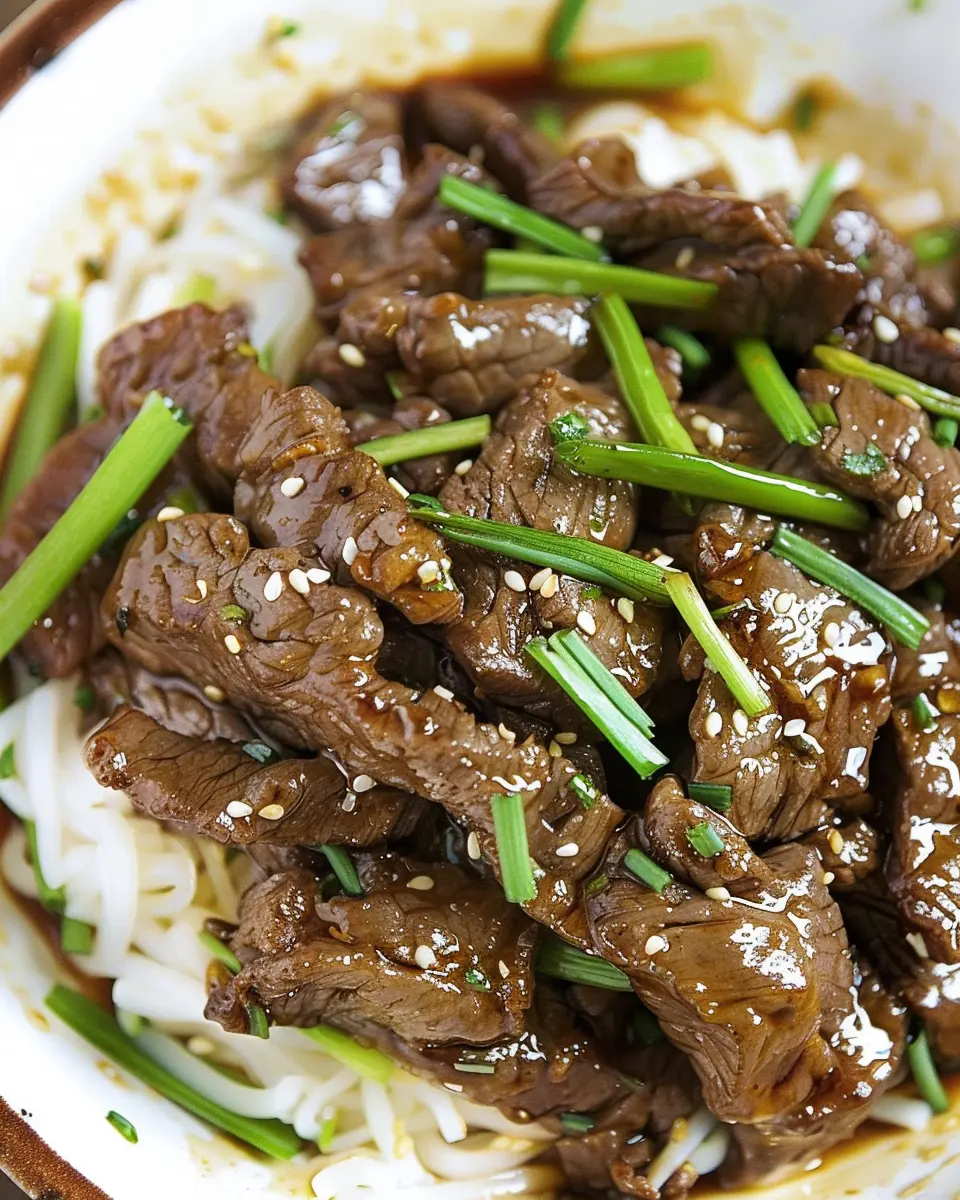
When it comes to comfort food that delivers on flavor, Mongolian beef stands out for its irresistible taste and delightful tenderness. Despite its name, this dish isn’t typically found in Mongolia but has roots in Chinese cuisine. Most importantly, it features thinly sliced beef, often stir-fried and tossed in a sweet and savory sauce that’s sure to satisfy.
What Makes Mongolian Beef So Irresistible?
So, what exactly makes Mongolian beef such a crowd-pleaser? For starters, the ingredients work harmoniously to create a dish that bursts with flavor:
-
Beef: The star of our dish, usually flank steak or sirloin, is tenderized and cut into thin strips. When cooked just right, it becomes a succulent treat that melts in your mouth.
-
Sweet Soy Sauce: This rich sauce balances soy sauce’s umami with a hint of sweetness, creating a tantalizing glaze that clings to every piece of meat.
-
Green Onions: These add a fresh brightness and slight crunch, making each bite even more delightful.
The dish’s preparation is quick and straightforward, perfect for young professionals who may have busy schedules but still crave something homemade. Plus, Mongolian beef can easily be paired with steamed rice or noodles to round out a fulfilling meal.
Cooking experts recognize stir-frying as an art… and Mongolian beef is a great dish for honing those skills. Using high heat and keeping the ingredients moving in the pan ensure a quick cook without sacrificing flavor—a technique that chef’s around the world deem essential. For further reading on perfecting stir-frying, you can check out this guide on cooking techniques.
If you’ve never made Mongolian beef before, you might be surprised at how quick it is to whip up. Imagine coming home after a long day, and within a mere 30 minutes, you could be savoring this tantalizing dish! So, whether you’re meal prepping for the week or entertaining friends, Mongolian beef is a fantastic option.
Stay tuned to dive into the recipe in the next section, where I’ll guide you through creating this delectable dish step-by-step!
Ingredients for Mongolian Beef
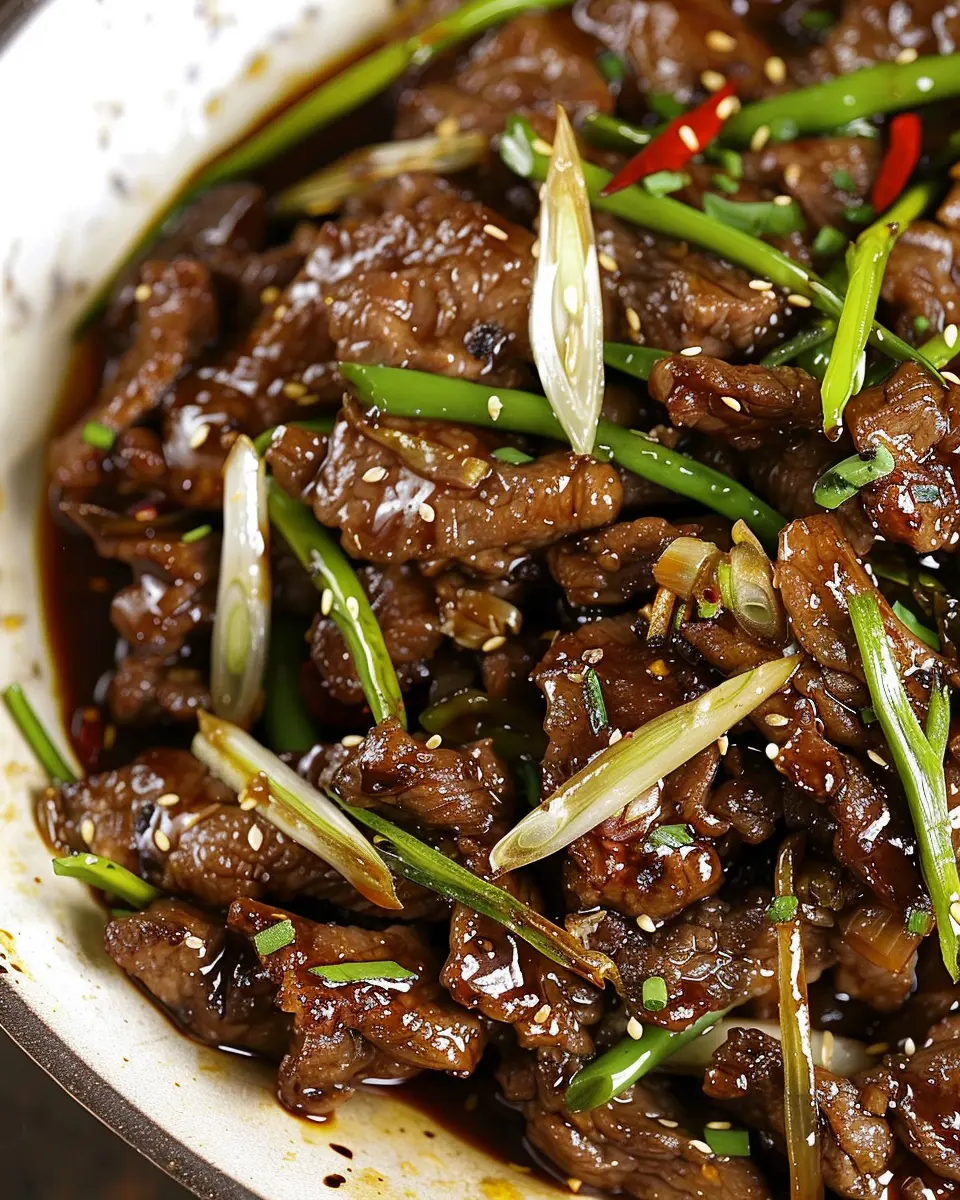
When it comes to creating that delicious, mouth-watering Mongolian beef dish, having the right ingredients is crucial. Here’s a simple breakdown to get you started.
Essential ingredients for the marinade
To give your beef that tender and flavorful kick, you’ll need a few essential components for the marinade:
- Beef: Sirloin or flank steak are excellent choices, cut into thin slices.
- Soy sauce: This adds a savory umami flavor.
- Cornstarch: Helps to tenderize the beef and creates that characteristic crispy texture.
Ingredients for the sauce
Now, let’s take a look at the savory sauce that takes Mongolian beef to the next level:
- Brown sugar: For a touch of sweetness that balances the savory elements.
- Garlic and ginger: Freshly minced, these aromatics add depth.
- Green onions: Not just for garnish; they add a fresh, vibrant flavor.
Fresh produce for a complete dish
Don’t forget to include some vibrant veggies to round out the meal:
- Bell peppers: For color and crunch.
- Broccoli or snow peas: These add a nutrient boost and contrasting texture.
Ready to whip up your own Mongolian beef? You’re just a few ingredients away from a fabulous meal! For more tips on ingredient selection, check out resources like Serious Eats or The Spruce Eats. Happy cooking!
Preparing Mongolian Beef
If you’re craving a dish that’s both savory and satisfying, Mongolian beef fits the bill. This beloved Asian-inspired meal combines tender pieces of beef with a rich sauce, making it a go-to for many home cooks. Below, I’ll walk you through the preparation steps to get your kitchen smelling delightful and your belly full.
Marinate the beef
First things first, let’s give your beef the flavor it deserves. Start by slicing your beef into thin strips. A cut like flank steak or sirloin works wonderfully here. For the marinade, combine the following ingredients in a bowl:
- ¼ cup soy sauce
- 1 tablespoon cornstarch
- 1 teaspoon sesame oil
- A pinch of black pepper
Mix these until the cornstarch dissolves, then add the sliced beef. Allow it to marinate for at least 30 minutes—this is crucial for tenderness and flavor absorption. If you’re in a rush, even a quick 10-minute soak makes a difference, but I promise it’s worth the wait.
Optional fried vermicelli preparation
If you’re looking to elevate your Mongolian beef experience, consider making some fried vermicelli noodles as a side. They add a delightful texture that pairs beautifully with the dish. To prepare:
- Cook vermicelli noodles according to package instructions, drain, and set aside.
- In a pan, heat some oil over medium heat and add the cooked vermicelli.
- Stir-fry for about 2-3 minutes until crispy and golden.
This crispy element not only adds contrast but also ensures each bite of Mongolian beef is the complete package.
Sear the beef
After your beef has marinated, it’s time to sear it! In a large skillet or wok, heat a tablespoon of oil over high heat. Be sure to let the oil get hot enough before adding your beef; this is key for that nice sear. You’ll want to work in batches to avoid overcrowding the pan, which leads to steaming instead of searing.
Cook each batch for about 2-3 minutes until the beef is browned but not fully cooked through. Transfer the browned beef to a plate. Did you know that searing can enhance flavor through the Maillard reaction? This step ensures your dish bursts with delightful, complex flavors.
Sauté the aromatics
With the beef resting, let’s move to the aromatics—those flavors that will elevate your meal further. In the same skillet you used for the beef, toss in some minced garlic and sliced green onions. Stir continuously for about 30 seconds until fragrant.
Now is the moment to bring in a lovely sauce. Combine the remaining soy sauce with a bit of brown sugar and water in a bowl, and pour that goodness into the pan, scraping up any brown bits left from the beef. This is essential as those bits are flavor powerhouses! If you’re curious about the science behind this, check out culinary sources like Serious Eats.
Combine and finish the dish
Finally, let’s pull everything together. Add the seared beef back to your skillet with the aromatic mixture, along with the fried vermicelli if desired. Stir it all together, allowing the flavors to meld for a minute or two over medium heat. If you want a thicker sauce, mix a little cornstarch with water and add it too!
Serve hot, garnished with extra green onions for that pop of color and freshness. Your Mongolian beef is now ready to impress friends or satisfy a craving after a long day. It’s a meal that not only delights your palate but also gives you that warm, home-cooked comfort.
Enjoy your cooking adventure, and remember—food is more than just sustenance; it’s an experience! If you have questions about ingredient substitutions or tips, feel free to reach out. Happy cooking!
Variations on Mongolian Beef
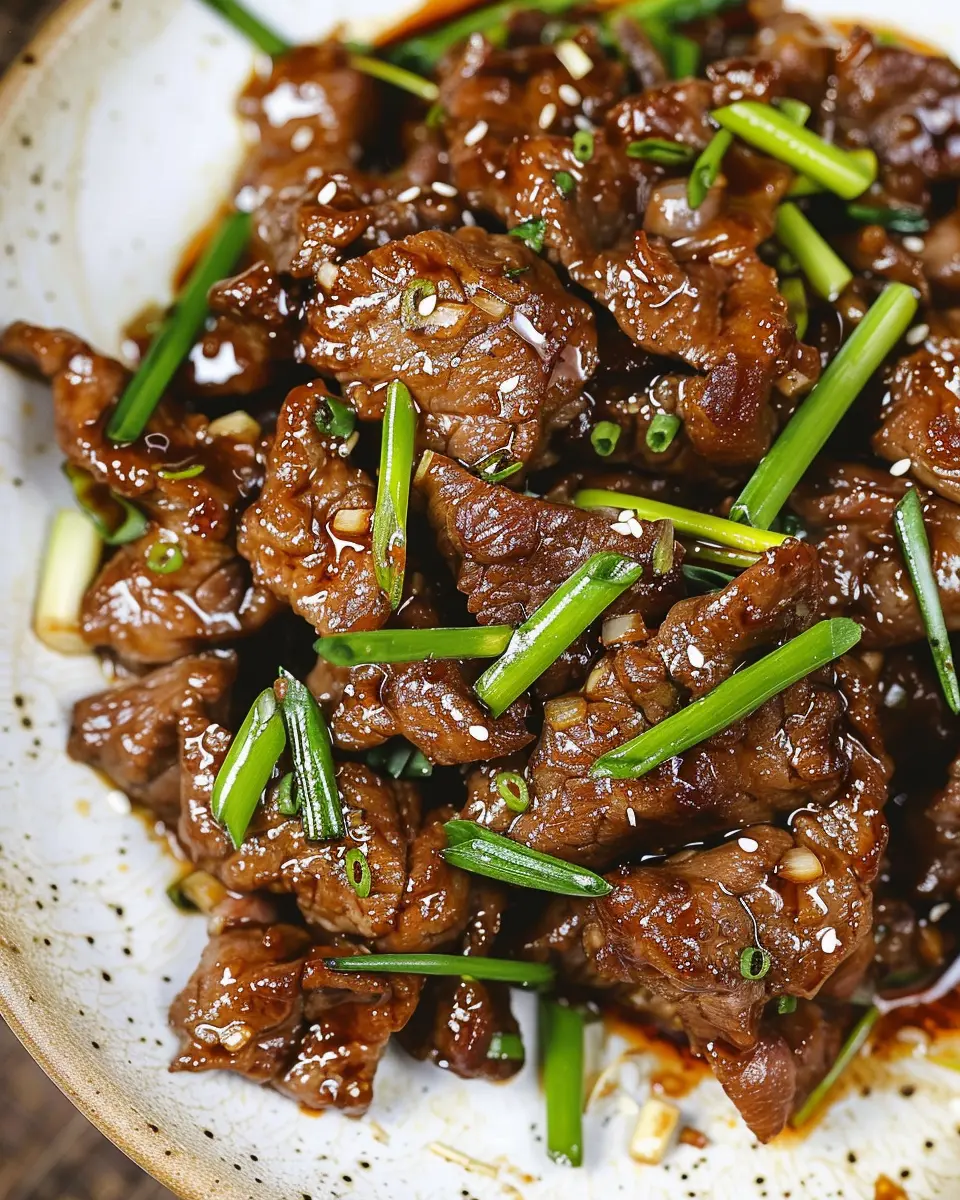
Mongolian beef is a versatile dish that can easily adapt to different tastes and dietary preferences. Whether you’re feeling adventurous or accommodating guests with specific dietary needs, these variations will elevate your dining experience.
Spicy Mongolian Beef
If you crave a kick of heat, Spicy Mongolian Beef is the way to go. Enhance the traditional recipe with some chili oil or fresh jalapeños to give it that extra zing. Here’s what you can do:
- Add heat: Toss in red pepper flakes or Sriracha for a spicy version.
- Fresh herbs: A sprinkle of cilantro before serving can freshen up the dish beautifully.
- Accompaniments: Serve it over a bed of jasmine rice mixed with green onions for added flavor.
According to health experts, incorporating spices like chili can boost your metabolism, making this variation not just delicious but beneficial too!
Vegetarian Mongolian Beef
Don’t let the absence of beef discourage you. A Vegetarian Mongolian Beef option can be just as satisfying. Substitute beef with hearty ingredients like tofu or tempeh for a protein-packed meal. Here’s how to make it happen:
- Tofu magic: Marinate cubed tofu in soy sauce and cornstarch to achieve a crispy texture.
- Flavor boost: Use mushrooms to add umami and depth. Varieties like shiitake or portobello work great.
- Serve simply: Pair with steamed broccoli or snap peas to balance flavors and colors on your plate.
For more plant-based inspiration, check out resources from organizations like Plant-Based Foods Association for tips and recipes.
These variations on Mongolian beef allow you to cater to all kinds of palates, making your cooking adventures exciting and inclusive!
Cooking Tips and Notes for Mongolian Beef
How to Slice Beef Properly
To achieve tender Mongolian beef, slicing is key. Start with the right cut—flank steak or sirloin works best. Freeze the beef for about 30 minutes to make it easier to slice thinly against the grain. Why cut against the grain? This technique helps break down the muscle fibers, ensuring a more tender bite. Remember, the thinner, the better!
Tips for Achieving the Perfect Sauce Consistency
The sauce is what makes Mongolian beef irresistible. For that glossy finish, use a combination of soy sauce, brown sugar, and ginger. To thicken your sauce, consider using cornstarch mixed with a little cold water—this simple slurry will help you reach the ideal consistency without losing the flavor. Start with a tablespoon of cornstarch; you can always add more if you wish.
If you’re curious about the best soy sauces, check out this guide from Serious Eats for quality options. Enjoy your cooking journey!
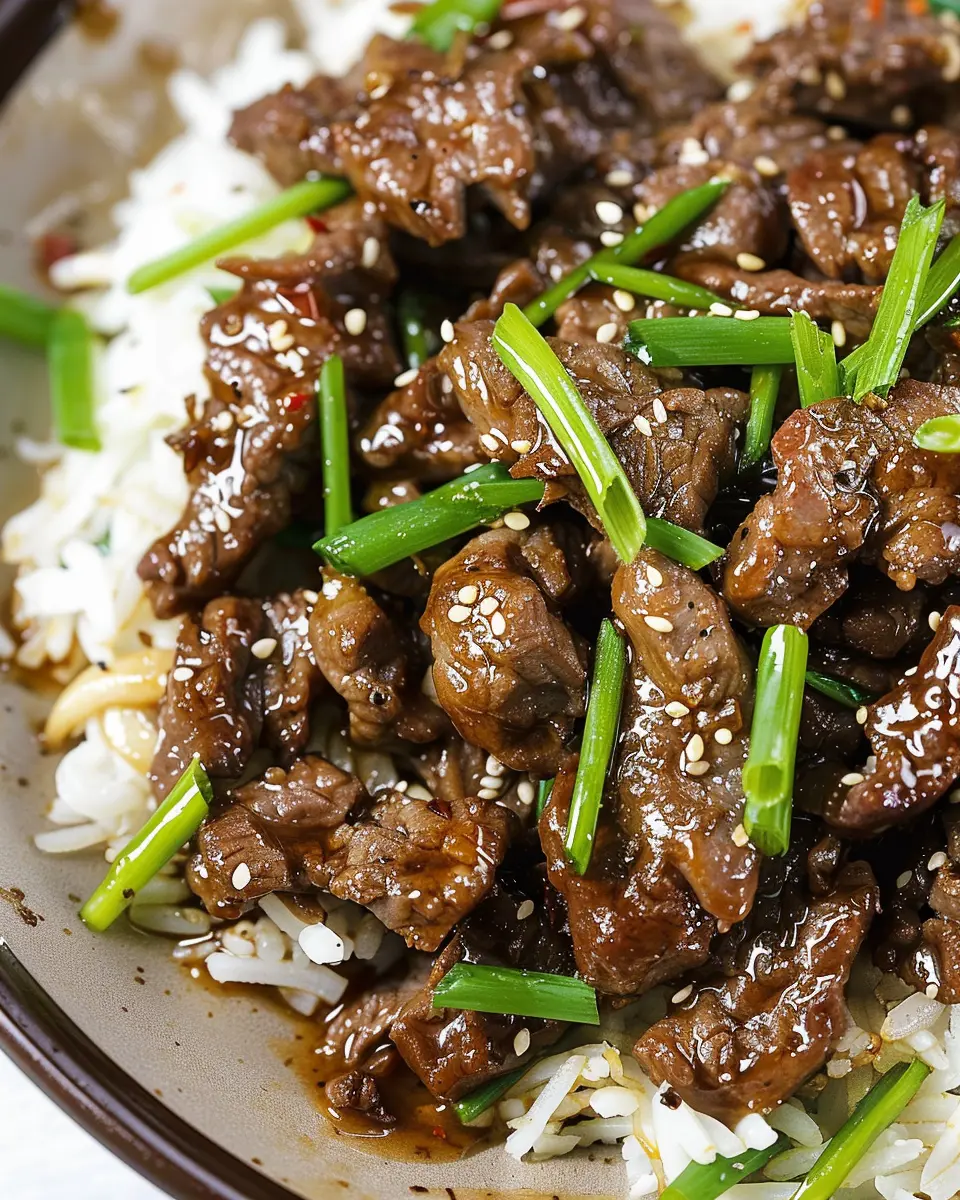
Serving Suggestions for Mongolian Beef
When it comes to serving Mongolian Beef, the goal is to create a delightful balance of flavors and textures that complement this savory dish. Here’s how you can elevate your meal.
Complementary Side Dishes
Pair your Mongolian Beef with some fantastic side dishes that will enhance its rich flavors. Consider these options:
- Steamed Jasmine Rice: A classic choice that soaks up the delicious sauce.
- Stir-fried Vegetables: Bright, colorful, and packed with nutrients—add bell peppers, broccoli, or snap peas for a crunchy contrast.
- Asian Noodle Salad: Cold noodles tossed with sesame oil, cucumber, and carrots can provide a refreshing twist.
Creative Serving Ideas
Make your Mongolian Beef meal even more engaging by presenting it in unique ways. Here are a few creative ideas:
- Lettuce Wraps: Serve the beef in crisp lettuce leaves for a fun, interactive dining experience.
- Bowl Style: Create a rice bowl topped with beef and veggies—perfect for a hearty lunch!
- Family Style: Place the Mongolian Beef in the center of the table with the sides around it, allowing guests to serve themselves.
These suggestions will not only make your meal visually appealing but will also create a dining atmosphere that’s warm and inviting. For more creative serving ideas, check out this food presentation guide.
Time Breakdown for Mongolian Beef
Preparation time
Getting your ingredients ready for Mongolian beef is a breeze! You’ll need about 15 minutes to chop the vegetables, slice the beef, and gather everything. If you love a little meditative time in the kitchen, this step lets you connect with your ingredients.
Cooking time
Now for the fun part—cooking! You’ll typically spend around 20 minutes bringing everything together over high heat. The key is to keep an eye on your beef and veggies, ensuring they’re cooked perfectly without losing their wonderful textures.
Total time
All in all, from start to finish, you’re looking at about 35 minutes for this delicious Mongolian beef dish. Perfect for a weeknight dinner when time is precious! If you’re curious about the nutritional benefits of this dish, check out Healthline for more information on beef and veggie nutrition.
Nutritional Facts for Mongolian Beef
When you’re looking to whip up a delicious dish like Mongolian beef, it’s vital to know what’s going into your meal. Here’s a breakdown of the key nutritional facts to keep in mind!
Calories
One serving of Mongolian beef typically contains about 300–400 calories. This makes it a satisfying option that’s hearty enough to fill you up without going overboard.
Protein Content
Packed with flavor, Mongolian beef also boasts a substantial protein content, usually around 25–30 grams per serving. It’s a great choice, especially if you’re looking to fuel your body after a workout.
Sodium Levels
Be mindful of sodium levels, which can reach 800–1000 milligrams per serving, depending on the sauce and preparation method used. If you’re looking to manage your sodium intake, consider using low-sodium soy sauce or adjusting the amount to suit your preference.
These nutritional insights can help you enjoy Mongolian beef while keeping your health goals in check. For more information on healthy eating, you might find choosemyplate.gov a handy resource!
FAQs about Mongolian Beef
If you’re diving into the delicious world of Mongolian beef, it’s natural to have questions! Let’s tackle some of the most common ones to help you elevate your dish.
How can I make Mongolian beef less sweet?
Many love the classic sweetness of Mongolian beef, but if you prefer a savory profile, there are easy adjustments you can make:
- Reduce sugar: Cut the sugar or brown sugar in half. You can always taste and add more later if needed.
- Use low-sodium soy sauce: This will enhance the umami flavor without adding excessive sweetness.
- Add more garlic or ginger: These ingredients can help balance out the sweetness, bringing in aromatic notes that complement the dish.
Can I use a different cut of beef?
Absolutely! While flank steak is a popular choice, you can experiment with other cuts like sirloin or even ribeye. For a more tender bite, consider using:
- Tenderloin: Extra tender and ideal for quick stir-fry.
- Round steak: A budget-friendly option that still packs flavor.
Just remember to slice against the grain for that perfect texture!
What is a good substitute for Shaoxing rice wine?
If you’re looking to omit Shaoxing rice wine, fear not! You can use:
- Chinese rice vinegar: This adds a tangy flavor and mimics the acidity.
- Apple cider vinegar mixed with a splash of water can also be a suitable alternative, giving your dish a bit of a fruity kick.
For detailed insights about these substitutes and more cooking tips, check out Serious Eats. Happy cooking!
Conclusion on Mongolian Beef
In conclusion, Mongolian Beef is more than just a dish; it’s a flavorful adventure that brings the vibrant tastes of Asian cuisine right to your kitchen. Whether you’re hosting a dinner party or simply craving a comforting meal, this recipe will surely impress your friends and family. The tender beef, combined with a savory sauce and fresh veggies, makes for an unforgettable experience. With just a few simple ingredients, you can elevate your weeknight dinner game. Plus, it pairs wonderfully with steamed rice or noodles. Embrace the joy of cooking, and consider trying variations to make it your own. Happy cooking!
For more about Asian cuisine and flavors, check out Serious Eats for inspiration and tips!
PrintMongolian Beef: Juicy Stir-Fry Recipe for Homemade Indulgence
A delicious and savory Mongolian Beef recipe that’s perfect for a quick weeknight dinner.
- Prep Time: 15 minutes
- Cook Time: 10 minutes
- Total Time: 25 minutes
- Yield: 4 servings 1x
- Category: Main Dish
- Method: Stir-Frying
- Cuisine: Asian
- Diet: Gluten-Free
Ingredients
- 1 pound flank steak, thinly sliced
- 1/4 cup soy sauce
- 2 tablespoons cornstarch
- 2 tablespoons vegetable oil
- 2 green onions, chopped
- 3 cloves garlic, minced
- 1 tablespoon ginger, minced
- 1/4 cup brown sugar
- 1 tablespoon sesame oil
Instructions
- In a bowl, combine soy sauce and cornstarch. Add the sliced steak and marinate for 15 minutes.
- In a large skillet, heat vegetable oil over medium-high heat. Add marinated beef and cook until browned.
- Add garlic and ginger, then stir-fry for another 2 minutes.
- Stir in brown sugar and sesame oil, cooking until the sauce thickens.
- Finally, add chopped green onions and cook for an additional minute.
Notes
- For a spicy kick, add red pepper flakes.
- Serve over steamed rice or noodles for a complete meal.
Nutrition
- Serving Size: 1 plate
- Calories: 300
- Sugar: 5g
- Sodium: 800mg
- Fat: 15g
- Saturated Fat: 3g
- Unsaturated Fat: 10g
- Trans Fat: 0g
- Carbohydrates: 25g
- Fiber: 1g
- Protein: 30g
- Cholesterol: 70mg
Keywords: Mongolian Beef, Stir-Fry, Beef Recipe, Quick Dinner